


Sports Betting's $233 Billion Future Reshapes Vegas Strategy
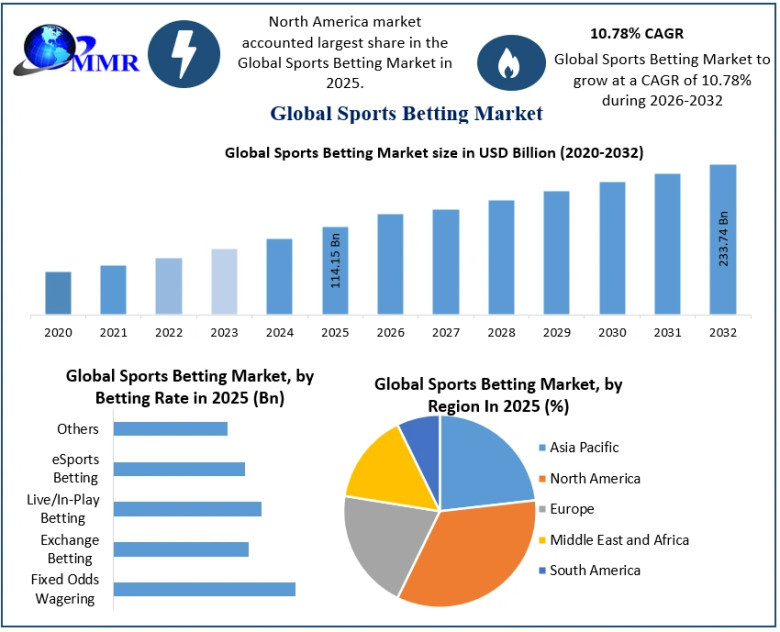
Las Vegas faces a fundamental shift as the global sports betting market barrels toward $233.74 billion by 2032, up from $114.15 billion in 2025. But here‘s what the numbers really tell us: this isn’t about more people betting - it's about smarter infrastructure winning the race. The 10.78% annual growth rate masks a deeper transformation that could redefine how Vegas operators compete.
The real story lies in what industry analysts call “infrastructure-driven profitability.” Traditional Vegas sportsbooks built on volume and flashy promotions are getting outmaneuvered by operators focused on compliance speed, payment stability, and jurisdictional optimization. It's a technical arms race that rewards millisecond advantages over marketing budgets.

Wastin' Away - The Jimmy Buffet Poolside Tribute Show
Technology Over Promotion Changes the Game
The data reveals something counterintuitive for Vegas: shorter betting sessions actually increase lifetime customer value. While casinos have always pushed longer stays, mobile betting platforms are discovering that controlled, moderated interactions generate more sustainable revenue than marathon gambling sessions.
This challenges Vegas's traditional playbook. Flutter Entertainment launched real-time risk automation across European platforms in March 2025, while DraftKings focused on Latin American payment infrastructure partnerships. These moves signal that operational excellence now trumps promotional spectacle - a tough pill for a city built on entertainment value.
The shift toward predictive latency over betting accuracy particularly impacts Vegas operations. When regulators evaluate timestamp integrity and compliance speed becomes competitive advantage, the Nevada Gaming Control Board suddenly holds cards that determine which operators thrive versus merely survive.
Regional Strategies Reveal Vegas's Position
North America‘s emphasis on tax optimization and league data ownership creates unique opportunities for Vegas operators. The city’s established relationships with major sports leagues through partnerships with venues like Allegiant Stadium and T-Mobile Arena provide data access advantages that pure online operators can‘t match.
But Europe’s focus on compliance technology and Asia-Pacific‘s payment infrastructure reliability suggest Vegas needs to evolve beyond its entertainment-first approach. The global betting market increasingly rewards operational boring over promotional exciting - a philosophical challenge for Sin City’s DNA.
Sportradar AG's introduction of automated micro-event data feeds in January 2026 exemplifies this trend. While Vegas sportsbooks traditionally focused on major games and events, the future lies in continuous, smaller-scale betting opportunities that require sophisticated backend systems rather than spectacular presentation.
Strategic Implications for Vegas Operations
The most telling insight from this market analysis: taxation structure influences profitability more than participation growth. For Vegas operators, this means jurisdictional strategy matters more than customer acquisition tactics. The city‘s favorable tax environment becomes a competitive moat, but only if operators can match the infrastructure sophistication of their global competitors.
The betting industry’s evolution from volume-driven to infrastructure-driven models doesn‘t eliminate Vegas’s advantages - it reshapes them. The question becomes whether established Vegas sportsbooks can adapt their operational DNA fast enough to compete in a market that increasingly rewards technical precision over entertainment value. Given Vegas‘s track record of reinvention, smart money suggests they’ll figure it out.